A chargeback happens when a customer disputes a card charge with their bank instead of coming to you. The money comes back out of your account while the dispute is reviewed, and many processors charge a fee on top. For a small shop, even a few chargebacks hurt. The good news is that most of them can be prevented, and the ones that can't often be won with good records.
How a chargeback works
- A cardholder contacts their card issuer (their bank) and disputes a charge.
- The issuer files the dispute through the card network, and your processor notifies you.
- You get a window to respond with evidence. The card network and your processor set the deadline, so read the notice carefully.
- The issuer looks at both sides and decides.
If you don't respond, you usually lose by default.
Why chargebacks happen
- Real fraud: someone used a stolen or counterfeit card.
- Confusion: the customer doesn't recognize your business name on their statement.
- Product or service problems: the item was defective, never arrived, or a promised refund didn't show up.
- "Friendly fraud": the customer did make the purchase but disputes it anyway. Sometimes it's an honest mix-up, like a family member using the card, and sometimes it isn't.
Prevention: habits that pay off
Use the chip every time
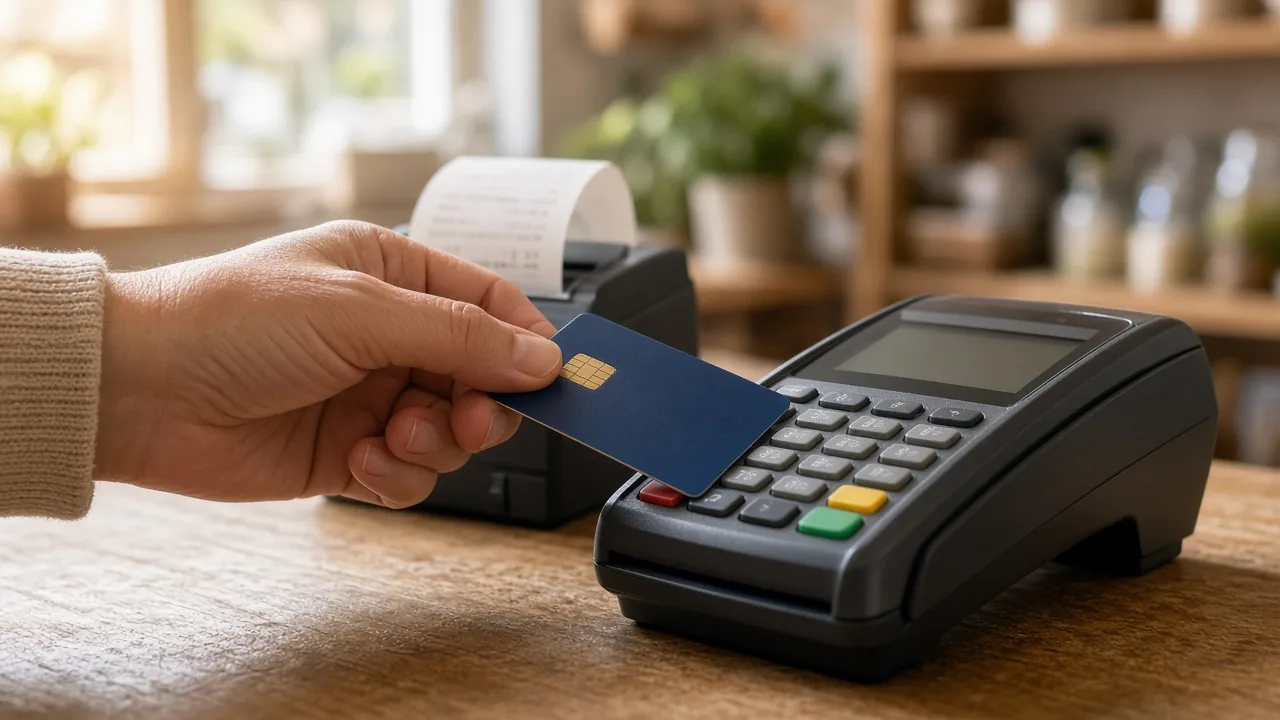
If a customer has a chip card, have them insert it or tap it instead of swiping. Under the EMV chip rules the card networks adopted in the U.S., liability for counterfeit-card fraud generally falls on whichever side is less secure. So if a chip card gets swiped at your chip-capable terminal, you can end up paying for it. If your terminal keeps dropping back to swipe, have it checked.
Make your name recognizable
The name that shows up on a customer's statement is called your billing descriptor. If it shows a legal company name or an abbreviation nobody recognizes, customers may dispute charges they really made. Ask your processor what your descriptor says and whether it can include your store name and phone number.
Put your return policy in writing
Post it at the register, print it on receipts, and add it to your website. A clear, visible policy is one of your best pieces of evidence when a customer says they didn't know the terms.
Make refunds easy when there's a real problem
When a customer has a legitimate complaint, refunding them yourself is almost always cheaper than a chargeback. Make sure your staff know who can approve a refund and how fast it goes through, so customers don't feel they have to call the bank.
Watch for red flags
Be careful with large purchases on a card that keeps getting declined, customers who insist that you type in the card number, and phone orders shipping to an address that doesn't match the billing address. For sales where the card isn't present, use the address verification and security-code checks your processor offers.
Fighting a chargeback you don't deserve
Respond quickly
Write down the deadline the day the notice arrives. Late responses usually aren't accepted.
Send the right evidence
What helps depends on the reason for the dispute, but good evidence includes:
- The transaction receipt showing the card was inserted or tapped
- Signed receipts or invoices for larger purchases
- Your return policy and proof the customer saw it
- Pickup or delivery confirmation, including tracking numbers
- Emails, texts, or notes from conversations with the customer
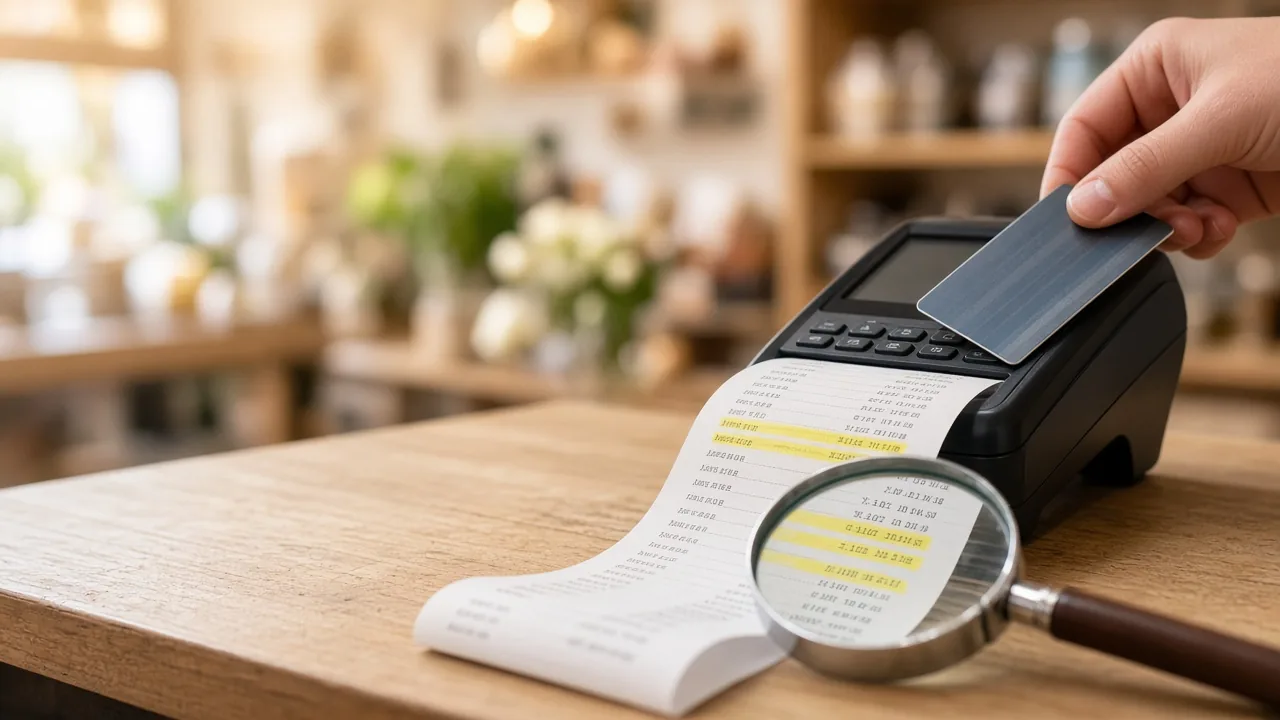
Your POS reports make this much easier. Being able to look up a sale by date, amount, or the last four digits of the card saves a lot of digging.
Stick to the facts
Write a short, clear summary of what was bought, when, how it was paid for, and why the dispute isn't valid. Then attach your proof.
Watch for patterns
Keep a simple log of your chargebacks. If several come back for the same reason, that points to a process you can fix. The card networks also run monitoring programs for merchants with high dispute rates, so it pays to catch problems early.
We can help
Custom Software Inc. helps small retailers in Terre Haute and across west-central Indiana with card processing, POS setup, and the reporting that makes disputes easier to handle. If you'd like a second set of eyes on your processing statement or your terminal setup, visit customsoftwareinc.net or message us on Facebook.
We're also building a new POS system with input from local retailers. If you have ideas about how a POS should handle refunds, receipts, and finding transactions for a dispute, we'd love for you to help shape it.
See it running in 15 minutes
No pressure, no commitment. We’ll show you the register and back office and answer your questions.